From Fatigue to Blurred Vision
Diabetes is a long-term condition that affects how your body turns food into energy. When blood sugar levels stay too high for too long, it can cause serious health problems, but catching diabetes early can make a big difference. Many people have diabetes for months or even years before realizing it, because symptoms can be mild or easy to overlook. Here are some of the most common signs of diabetes and what they mean.
1. Frequent Urination (Especially at Night)
One of the earliest signs of high blood sugar is needing to urinate more often. When there’s too much glucose in the blood, the kidneys try to flush it out through urine. This means you’ll go to the bathroom more frequently, sometimes waking up several times at night. If you notice a sudden change in how often you need to urinate—without drinking more fluids than usual—it may be worth talking to a healthcare provider.
2. Increased Thirst
Because your body loses more fluids through frequent urination, you may feel constantly thirsty. People often describe it as a thirst they can’t quench, even when they’re drinking plenty of water. If you’re drinking far more than usual and still feeling parched, it may be a sign your blood sugar is too high.
3. Extreme Hunger
Another common symptom is feeling unusually hungry, even after eating. This happens because your body isn’t using glucose properly for energy. Without enough insulin—or without responding to insulin correctly—your cells can’t absorb glucose, leaving them “starved." As a result, your body signals you to eat more, even if your blood sugar is high.
4. Fatigue and Low Energy
When your cells can’t access energy from glucose, you may feel tired or sluggish. This kind of fatigue is often described as a deep tiredness that doesn’t improve with sleep. It may make everyday tasks feel harder than usual. If you’re constantly worn out for no clear reason, diabetes might be a factor.
5. Blurred Vision
High blood sugar can pull fluid away from the lenses of the eyes, making it harder to focus. This can cause temporary blurred vision. If your vision suddenly becomes blurry or changes throughout the day, and glasses don’t seem to help, high blood sugar could be the cause.
6. Slow-Healing Cuts or Frequent Infections
High glucose levels can affect blood flow and weaken the body’s ability to fight infections. Common signs include cuts or sores that take a long time to heal, frequent urinary tract infections (UTIs), yeast infections or skin infections. If you notice wounds healing slower than before, it’s worth paying attention.
7. Tingling, Numbness or Pain in Hands and Feet
Over time, high blood sugar can damage nerves, especially in the hands and feet. This may show up as tingling, burning, sharp pain or numbness. While nerve damage usually happens after diabetes has been present for a while, some people notice symptoms early on, even before a diagnosis.
8. Unexplained Weight Loss (More Common in Type 1 Diabetes)
If the body cannot use glucose for energy, it starts breaking down fat and muscle instead. This can cause rapid, unintended weight loss. While this symptom is more typical in people with type 1 diabetes, it can also occur in advanced type 2 diabetes.
9. Dark Patches of Skin
A skin condition called acanthosis nigricans—dark, velvety patches of skin, often on the neck, armpits or groin—can be a sign of insulin resistance, the first stage of type 2 diabetes. These patches usually aren’t itchy or painful but are an important early warning sign.
How to Get Tested for Diabetes
If you recognize one or more of these symptoms, the next step is getting tested. Diabetes testing is simple and widely available in the United States.
1. A1C Test
This blood test measures your average blood sugar level over the past 2–3 months.
- Normal: Below 5.7%
- Prediabetes: 5.7%–6.4%
- Diabetes: 6.5% or higher
2. Fasting Plasma Glucose (FPG)
You fast overnight, then have your blood sugar checked in the morning.
- Normal: Below 100 mg/dL
- Prediabetes: 100–125 mg/dL
- Diabetes: 126 mg/dL or higher
3. Oral Glucose Tolerance Test (OGTT)
After fasting, you drink a sugary solution and your blood sugar is tested over several hours. It’s often used during pregnancy to check for gestational diabetes.
4. Random Blood Sugar Test
This test checks your blood sugar at any time during the day—no fasting needed. A reading of 200 mg/dL or higher with symptoms can indicate diabetes.
5. At-Home Testing Options
Many pharmacies offer:
- Finger-stick glucose meters.
- A1C home test kits.
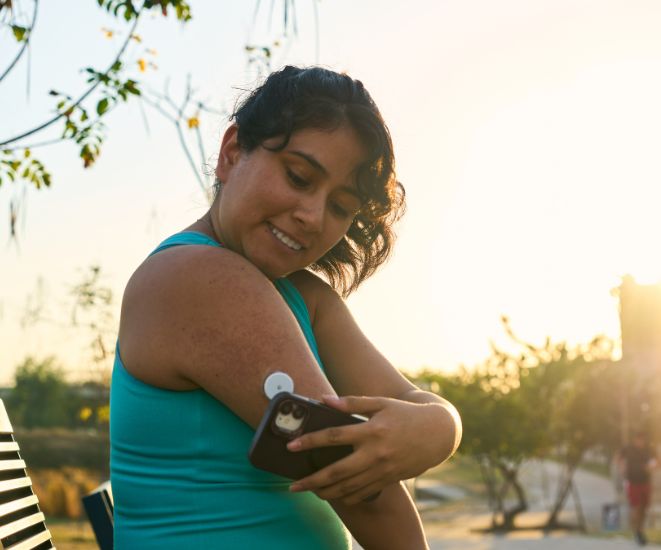
- Continuous glucose monitors (CGMs) with a prescription.
These do not replace a formal diagnosis but can help track your levels.
Recognizing the early signs of diabetes is one of the best ways to protect your long-term health. If anything feels unusual or persistent, getting tested is simple, fast and widely available. Early diagnosis allows you to take control, make informed lifestyle changes and work with your healthcare provider to prevent complications. Paying attention to your body today can make a meaningful difference in your health tomorrow.
The information on this website is for general educational purposes only and is not a substitute for professional medical advice. Always consult your doctor or qualified healthcare provider before making changes to your health, diet or treatment plan.