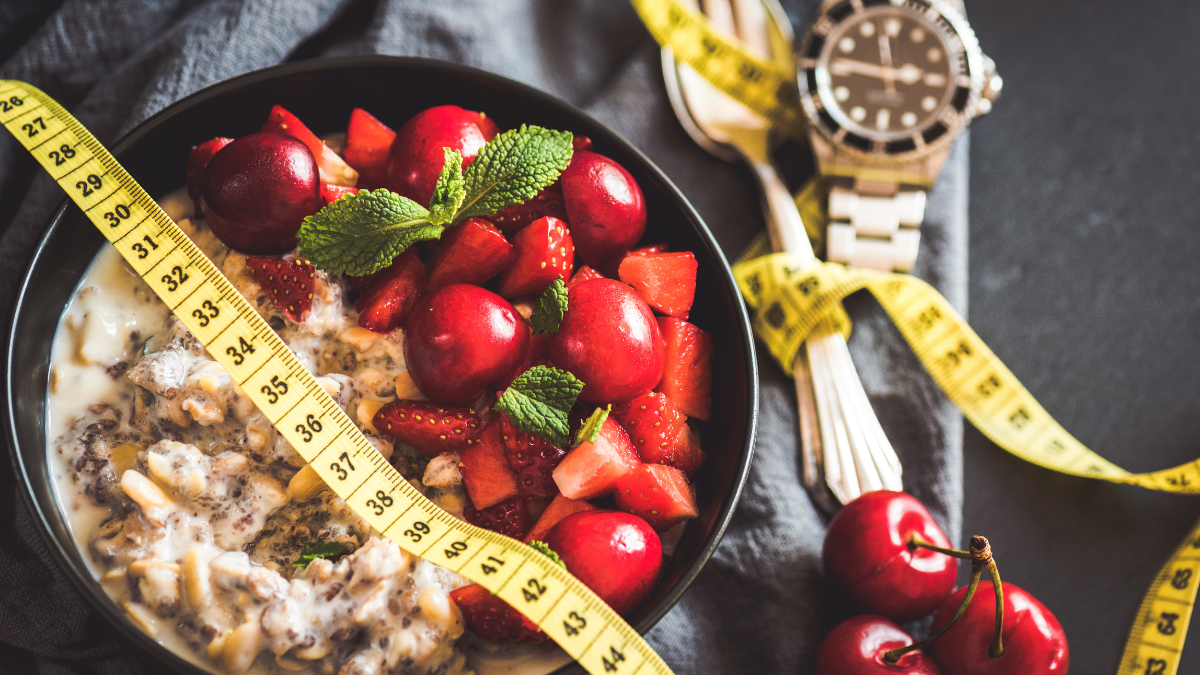
Trying to lose weight does not mean you need to fear food or survive on salad like a sad office rabbit. It simply means choosing foods that help you stay full, support your energy, and make it easier to stay in a calorie deficit. Some foods are not “bad," but they can make weight loss harder because they are easy to overeat, low in protein or fiber, or packed with sugar and refined carbs.
Foods to Limit or Avoid During Weight Loss
- Sugary drinks like soda, sweetened coffee, energy drinks, and packaged juices
- Fried foods such as fries, fried chicken, and chips
- Pastries, cakes, donuts, cookies, and other baked sweets
- Candy, chocolate bars, and sugary snacks
- Highly processed fast food meals
- White bread, refined pasta, and low-fiber cereals
- Large amounts of pizza, burgers, and creamy takeout dishes
- Alcohol, especially sugary cocktails and frequent drinking
- Heavy sauces, creamy dressings, and mayonnaise-based dips
- “Healthy" snacks that are still calorie-dense, like granola bars and trail mix eaten in large portions
Popular Weight Loss Programs People Often Consider
Many people use structured programs because they make weight loss feel less confusing. Some popular options include GLP-1 medication-based programs, Noom, WeightWatchers, calorie-tracking apps, and coach-based meal planning programs. GLP-1 programs often involve prescription medications that can reduce appetite and slow digestion, but they should only be used under medical guidance. Noom focuses on behavior change, food habits, and calorie awareness. WeightWatchers uses a point-based system to help people manage portions. The best program is usually the one you can actually stick to without hating your life by day three.
Important: Weight loss works best when the plan is balanced, realistic, and sustainable. Crash diets, extreme food restriction, or cutting out entire food groups without reason usually backfire.
Why Certain Foods Make Weight Loss Harder
The main issue with many weight-loss-unfriendly foods is not that they are evil. It is that they pack a lot of calories into a small portion and do not keep you full for long. A sugary coffee drink, a handful of chips, or a fast food combo can disappear in minutes but leave you hungry again soon after. That is the scam.
Foods low in protein and fiber are usually less satisfying. On the other hand, meals built around lean protein, vegetables, fruit, whole grains, and healthy fats are more filling and easier to manage over time. When you are full, you are less likely to snack all evening like the kitchen owes you something.
Sugary Drinks: Easy Calories, Zero Fullness
Sugary drinks are one of the first things to cut back on during a weight loss diet. Soda, sweetened iced coffee, milkshakes, packaged juices, and energy drinks can add hundreds of calories without making you feel satisfied. Replacing these with water, sparkling water, black coffee, or unsweetened tea can make a noticeable difference.
Fried and Fast Foods
Fried foods and fast food meals are often high in calories, unhealthy fats, refined carbs, and sodium. They are designed to taste amazing, which is exactly why portion control suddenly leaves the building. Eating them occasionally is fine, but relying on them regularly can slow progress.
Sweets and Refined Carbs
Desserts, white bread, sugary cereals, and refined pasta can cause quick spikes in blood sugar and may leave you hungry again sooner. These foods are not forbidden, but large portions and daily intake can make it harder to stay on track. Choosing higher-fiber carbs like oats, brown rice, whole grain bread, and fruit can help with fullness and energy.
High-Calorie Extras People Forget About
Sometimes the real problem is not the meal but the extras. Creamy dressings, flavored coffee syrups, cheese-heavy toppings, dips, and mindless snacking can quietly add a lot of calories. Even foods marketed as healthy, like smoothies, protein bars, granola, and nut mixes, can become calorie bombs when portions get too generous.
What to Focus on Instead
Rather than obsessing over what to avoid, build most meals around foods that support weight loss. Good choices include lean meats, eggs, Greek yogurt, beans, vegetables, fruit, potatoes, oats, rice, and whole grains. These foods can help you stay full, hit your protein goals, and make dieting feel less miserable.
Final Thoughts
A good weight loss diet is not about perfection. It is about eating in a way that helps you stay consistent. Limiting sugary drinks, fried foods, sweets, refined carbs, and oversized processed meals can make weight loss easier. Whether you use a GLP-1 program, Noom, WeightWatchers, or a simple calorie deficit, the goal is the same: eat mostly filling, nutritious foods and keep the plan realistic enough to follow long term.